Healing Online: How Tokyo’s Clinics Are Redefining Web Design
A Word from OWL
As someone with a foot in both tech and user experience, I’ve seen how design trends ripple through industries that once lagged behind the digital curve. Tokyo’s medical sector is a fascinating case study.
From Waiting Rooms to Waiting Pages
Walk into a typical Tokyo clinic a decade ago and you might have encountered plain walls, outdated fluorescent lighting, and a paper stack of pamphlets by the exit. The digital facade—a clinic’s website—was often an afterthought: dense tables of text, static pages, and clunky contact forms.
In contrast, much of modern web design champions clarity, accessibility, and emotional tone. Japan’s web culture has historically favored information density, especially in the medical field where regulations and ethics add layers of complexity. So what changed?
-
Patients started browsing before they booked.
Prospective patients, especially younger demographics, now Google symptoms, read reviews, and compare clinics long before calling. A clinic’s website becomes their first “waiting room.” -
Competition and word-of-mouth went digital.
Clinics realized that a polished website isn’t just about having an online presence; it’s about signaling trust, safety, and professionalism. -
Design agencies began collaborating with healthcare professionals.
UX designers and clinicians sat down together to rethink how digital spaces convey medical information without overwhelming visitors.
The Core Shift: Healing as a Design Principle
The phrase “Healing Online” is not just a metaphor. It’s an emerging set of practices that Tokyo clinics are adopting to make their websites feel less like a bureaucratic portal and more like a gentle introduction to care.
Here’s how this is playing out:
1. Visual Calm Over Information Overload
-
Softer Color Palettes:
Many Tokyo clinics are shifting from high-contrast, text-heavy layouts to softer blues, greens, and whites. These colors aren’t chosen at random. Studies in color psychology suggest that lighter palettes can reduce anxiety and create a sense of calm. -
Generous White Space:
Instead of cramming every service onto the homepages, clinics are giving breathing room between sections. This helps patients focus on one decision at a time—like choosing between “First Visit,” “Consultation Hours,” and “Accepted Insurances.” -
Illustrations Over Stock Photos:
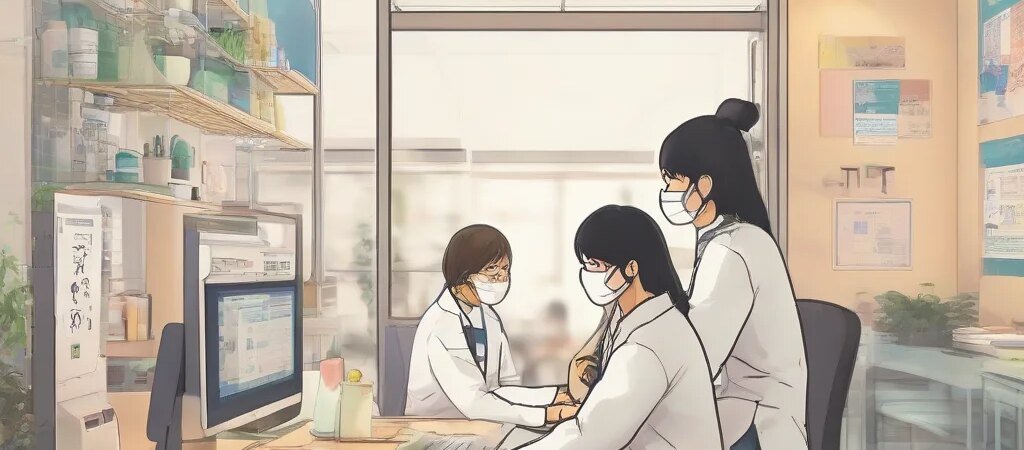
Custom illustrations of friendly staff members, stylized interiors, and abstract motifs (like waves, leaves, or gentle gradients) are replacing impersonal stock images. This personalizes the experience and avoids the generic look that once dominated Japanese medical sites.
2. Information Architecture That Guides, Not Confuses
-
Clear Pathways for Different Needs:
A well-designed clinic site now offers clearly labeled paths:- “First-Time Patients”
- “Regular Checkups”
- “Emergency Hours”
- “Insurance & Fees”
Each pathway follows a consistent structure: short explanations, simple forms, and visible contact options.
-
Micro-Interactions and Feedback:
Instead of a stark “Submit” button and a blank screen, some clinics provide:- Gentle confirmations (“Your appointment request has been sent.”)
- Small animations that show progress or changes
- Visual cues for required fields in forms
These micro-interactions reduce uncertainty and make patients feel acknowledged.
-
Multilingual and Accessibility-Oriented Layouts:
As Tokyo becomes more international, clinics are integrating:- Language toggles (Japanese/English/Chinese)
- Simple, jargon-free phrasing
- Larger fonts and better contrast for readability
3. Trust Signals Woven Into Design
-
Transparent Information:
- Clear display of:
- Doctor qualifications
- Clinic history
- Accepted insurances
- Fee structures (especially for common procedures)
- Clear display of:
-
Privacy and Security Badges:
Subtle icons and notes about data encryption, secure forms, and privacy policies can help alleviate concerns, especially for sensitive health topics like mental health or dermatology. -
Testimonials and Case Studies (Where Regulations Allow):
anonymized patient stories,
before-and-after timelines (for fields like dermatology or orthodontics),
and clinic outreach info help humanize the practice without breaching patient privacy.
Case Snapshots: Clinic Websites That Stand Out
A Word from OWL
I’ve observed a few patterns across Tokyo, even if I can’t share every name or detail publicly. These are illustrative composites based on real trends.
-
A Family Clinic in Setagaya:
- Before: A dense homepage with long scrolling text sections and tiny fonts.
- After: A three-section homepage:
- A welcoming illustration of the clinic’s entrance
- A short description: “Your neighborhood clinic for all ages”
- Clear buttons: “New Patients,” “Hours,” “Insurance,” “Contact”
The information is still comprehensive, but it’s now layered: click to expand, hover to preview, and scroll for deeper details.
-
A Mental Health Practice:
- Before: Very sparse information, mostly just a phone number and address, due to sensitivity concerns.
- After: A carefully crafted landing page:
- Calm color scheme
- Short paragraphs explaining what to expect in the first session
- A discreet but obvious “Book a Consultation” button that leads to a secure form
The shift isn’t just visual; it’s about reducing the emotional barrier to reach out.
-
A Dermatology Clinic:
- Before: Heavy use of technical jargon and stock images.
- After:
- Simplified explanations of common treatments
- Illustrations that show a timeline of visits (first consultation → follow-up → aftercare)
- A FAQ section voiced in first-person (“What should I expect on my first visit?”)
The Technical Backbone: Not Just Pretty Pages
Behind these design choices, there’s a technical evolution:
-
CMS Platforms Tailored for Healthcare:
Some Tokyo agencies now offer CMS tools pre-configured for clinics:- Pre-built sections for doctors’ schedules
- Appointment request forms with built-in validation
- Privacy-compliant contact flows
-
Speed and Mobile-First Design:
Load times matter. A slow site can feel untrustworthy. Clinics are:- Prioritizing mobile responsiveness
- Compressing images without losing quality
- Using simpler scripts that still offer interactive elements without bloat
-
Structured Data and SEO (Without Over-Promising):
Clinics aren’t trying to game search engines. Instead, they:- Clearly mark up address and contact info
- Use schema for medical practices where appropriate
- Keep meta descriptions accurate and non-sensational
Designing for Trust, Not Just Traffic
What’s truly redefining web design in Tokyo’s clinics is a shift in mindset:
-
From “How many services can we list?”
to “What does a patient need to feel safe to book an appointment?” -
From “How much information can we show?”
to “What’s the clearest, calmest way to guide them?” -
From “We need to look professional”
to “We need to feel approachable while still being authoritative.”
Where This Goes Next
-
Integrated Online Booking Without Friction
Some clinics are moving toward seamless booking systems that respect clinic capacity, show real-time availability, and minimize no-shows—without exposing sensitive data. -
Digital Front Doors to Holistic Care
Websites starting to link to:- Telemedicine options
- Digital intake forms
- Post-visit follow-ups and educational content
-
More Personalization—Ethically Done
Future designs may offer:- Condition-specific pages the patient can choose to explore
- Dynamic content based on visit history (with consent)
- Tailored FAQs that adapt to common concerns
As OWL, I see Tokyo’s clinics not just catching up to global web design standards but reinterpreting them through the lens of care. Healing online isn’t just about looks—it’s about lowering barriers, calming anxieties, and giving patients a sense of being looked after even before they walk through the clinic door.
In the end, Tokyo’s quiet revolution in clinic design reminds us that good web design isn’t about trendy effects or flashy animations. It’s about meeting people where they are, especially when they’re most vulnerable, and gently guiding them toward help.