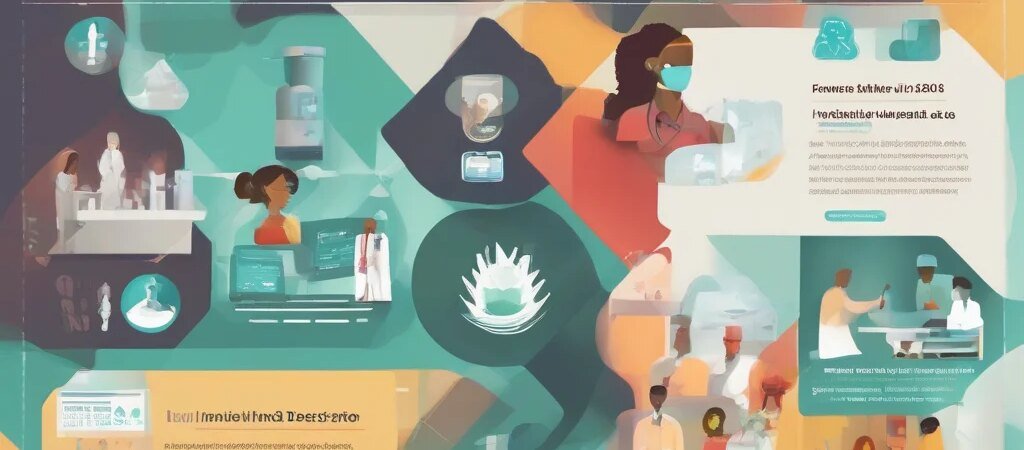
Designing Health: Innovative Web‑Design Strategies for Douala’s Healthcare Sector
By [Your Name], Digital‑Design Consultant
June 2026
Introduction
Douala, Cameroon’s economic engine, is witnessing a rapid expansion of private clinics, diagnostic labs, tele‑medicine platforms, and public‑health outreach programs. While the city’s streets are already bustling with taxis, market stalls, and skyscrapers, many health‑care providers still rely on outdated brochures, static PDFs, or poorly‑maintained websites that fail to meet the expectations of today’s digitally savvy patients.
A well‑designed web presence does more than look good—it becomes a digital front‑door that can:
- Reduce appointment‑booking friction
- Enable remote consultations and follow‑ups
- Disseminate reliable health information in local languages
- Build trust through transparency and data security
Below is a practical guide that blends global best‑practices with the unique cultural, linguistic, and infrastructural realities of Douala. The aim is to help hospitals, clinics, pharmacies, NGOs, and health‑tech startups create websites that are accessible, trustworthy, and future‑proof.
1. Ground the Design in Local Context
| Douala‑Specific Factor | Design Implication |
|---|---|
| Multilingual population – French is official; many residents speak Ewondo, Duala, Bassa, and English. | Offer language toggle (French/English at minimum) plus easy addition of regional lingua‑franca. Use a lightweight translation plug‑in that stores strings in JSON rather than duplicating whole pages. |
| Mobile‑first connectivity – 3G/4G coverage is decent but data caps are common. | Prioritize mobile‑first responsive layouts, lazy‑load images, and compress assets with Brotli/Gzip. Target a ≤ 2 s load time on a 2 Mbps connection (Google’s Core Web Vitals guidelines). |
| Informal digital habits – People often share content via WhatsApp and Facebook. | Integrate click‑to‑share buttons for WhatsApp, Facebook Messenger, and local platforms (e.g., Cameroon‑Connect). Provide a QR‑code on each page for quick mobile scanning. |
| Health‑literacy gaps – Misconceptions about vaccines, malaria, and chronic disease are widespread. | Use visual storytelling (icons, short explainer videos, infographics) and plain‑language copy (≤ 8th‑grade reading level). Offer downloadable PDFs in local languages for offline reference. |
| Regulatory environment – Cameroon’s data‑protection law (Law n° 2010/012) and health‑sector guidelines. | Embed a clear privacy policy, use HTTPS everywhere, and store any patient data only on servers compliant with local or EU‑GDPR standards. |
2. Core UX/UI Building Blocks
2.1. Intuitive Navigation & Appointment Funnel
- Sticky “Book Now” button – Fixed at the bottom of the screen on mobile, always visible.
- Three‑step booking wizard:
Select Service → Choose Date/Time → Confirm Details
Each step should show a progress bar and allow “back” navigation without losing data. - Self‑service “My Health Hub” – After login, patients can view upcoming appointments, lab results, and prescription refills in a dashboard with card‑based UI.
2.2. Trust‑Boosting Elements
- Doctor Profiles – Photo, credentials, specialty, languages spoken, and patient ratings.
- Live Chat/WhatsApp Integration – Real‑time triage by nurses or AI chatbot for FAQs.
- Accreditations & Partnerships – Logos of the Ministry of Health, WHO, and local NGOs displayed prominently.
2.3. Accessibility (a11y)
- Contrast Ratio ≥ 4.5:1 (WCAG AA) for text vs. background.
- Text‑Resize – Enable scaling up to 200 % without layout breakage.
- Screen‑Reader Friendly – Use semantic HTML5 tags (
<header>,<nav>,<main>,<article>,<footer>) and ARIA labels for any custom components.
2.4. Visual Language that Resonates
- Color palette – Blend calming health blues/greens with a splash of Douala’s signature turquoise (reflecting the Atlantic coast).
- Imagery – Use locally‑shot photos of staff, facilities, and community events to convey authenticity.
- Icons – Adopt a custom “hand‑drawn” set that incorporates Cameroonian motifs (e.g., stylized palm leaves for “wellness”).
3. Technical Stack Recommendations
| Layer | Recommended Tools (2026) | Why It Fits Douala |
|---|---|---|
| Front‑end | React 18 (with Vite for fast bundling) + Tailwind CSS | Component reuse, easy theming, and low‑bundle size after tree‑shaking. |
| Performance | Lighthouse‑CI for automated Core Web Vitals testing; Cloudflare Workers for edge caching and image optimization (Polish + WebP). | Reduces latency for users on slower mobile networks. |
| CMS | Strapi (headless, Node.js) + GraphQL API | Enables multilingual content, role‑based editing (admin, doctor, community health officer), and future integration with mobile apps. |
| Authentication | Auth0 (or self‑hosted Keycloak) with social login via Facebook/Google and OTP via Twilio for phone number verification. | Simplifies login while meeting security standards. |
| Tele‑medicine | Jitsi Meet embedded for secure video calls, or Vonage Video API for a branded experience. | Open‑source & low‑cost, works well on low‑bandwidth connections. |
| Analytics & Health Metrics | Matomo (self‑hosted, GDPR‑compliant) + custom dashboards for appointment conversion, bounce rate, and patient‑journey mapping. | Data stays on local servers, respecting privacy laws. |
| Hosting | OVHcloud or DataCenter Cameroon (local data residency) with CDN (Akamai/Cloudflare). | Improves latency and satisfies any data‑localisation requirements. |
4. Content Strategy for Health Literacy
- The “Ask‑the‑Doctor” Blog – Weekly 300‑word articles answering common concerns (e.g., “When should I get a malaria test?”).
- Micro‑Videos (30–60 s) – Short clips of doctors explaining symptoms, filmed on smartphones, optimized for mobile playback.
- Interactive Symptom Checker – Decision‑tree UI that suggests whether to book an appointment, visit a pharmacy, or self‑care.
- Community Spotlight – Stories of patients who have successfully managed chronic illnesses, reinforcing adherence and cultural relevance.
All content should be SEO‑optimised for local search terms: “hôpital à Douala”, “clinique pédiatrique Douala”, “rendez‑vous vaccination Douala”, etc., and tagged with schema.org MedicalOrganization and Physician markup to improve visibility in Google’s health‑related SERPs.
5. Security & Compliance Checklist
| Item | Action |
|---|---|
| HTTPS everywhere | Obtain a free Let’s Encrypt certificate; renew automatically via Certbot. |
| Data encryption at rest | Use server‑side AES‑256 encryption for any stored patient records. |
| Role‑based access control (RBAC) | Doctors can view only their own patients; admins have full rights; patients can only see their own data. |
| Audit logs | Record every login, data‑view, and modification in an immutable log (e.g., Elastic Stack). |
| Backup & Disaster Recovery | Daily incremental backups to a geographically separate data center; quarterly full restore tests. |
| GDPR/Local Law notice | Prominent cookie consent banner with granular toggles; link to a multilingual privacy policy. |
| Pen‑test | Conduct an annual penetration test (local cybersecurity firms) and remediate findings within 30 days. |
6. Measuring Success
| KPI | Target (12 months) |
|---|---|
| Core Web Vitals – LCP < 2.5 s, CLS < 0.1, FID < 100 ms | 95 % of sessions |
| Appointment conversion rate (visits → booked) | 12 % increase |
| Bounce rate (mobile) | < 35 % |
| Tele‑medicine session quality (average bitrate) | ≥ 1.5 Mbps |
| Patient satisfaction (post‑visit survey) | ≥ 4.5/5 |
| Health‑literacy content views | 20 % of total site traffic |
Analytics dashboards should be shared with hospital leadership monthly, turning data into actionable improvements (e.g., tweaking the booking flow if drop‑off spikes at step 2).
7. A Sample Project Roadmap
| Phase | Duration | Milestones |
|---|---|---|
| Discovery & Research | 4 weeks | Stakeholder interviews, user personas (patient, doctor, admin), competitor audit. |
| Wireframing & Prototyping | 3 weeks | Low‑fid wireframes → clickable Figma prototype (including multilingual toggle). |
| Design System Creation | 2 weeks | UI kit, component library (buttons, cards, forms), brand guide. |
| Development Sprint 1 | 4 weeks | Core site architecture, CMS setup, multilingual content model. |
| Development Sprint 2 | 4 weeks | Booking funnel, doctor profiles, patient portal, live‑chat integration. |
| Testing & QA | 2 weeks | Accessibility audit, performance testing on low‑bandwidth devices, security review. |
| Launch & Training | 1 week | Deploy to production, train clinic staff on CMS, handover documentation. |
| Post‑Launch Optimization | Ongoing (monthly) | A/B testing of CTA placement, SEO updates, content calendar execution. |
8. Conclusion
Designing health for Douala is not just about flashy graphics—it’s about bridging the digital divide, delivering trustworthy care, and empowering patients through clear, fast, and secure online experiences. By grounding design decisions in local realities, leveraging a lean yet powerful tech stack, and continuously measuring outcomes, healthcare providers can transform their websites from static brochures into lifelines of wellness for the city’s 3 million residents.
“A well‑designed health portal is the modern equivalent of a well‑organized waiting room—people feel seen, cared for, and confident that help is just a click away.”
Embrace these strategies today, and Douala’s healthcare sector will not only keep pace with global digital trends but also set a benchmark for patient‑centered design across Central Africa.
Ready to redesign your clinic’s digital front door? Contact us at designhealthdouala.com for a free UX audit.