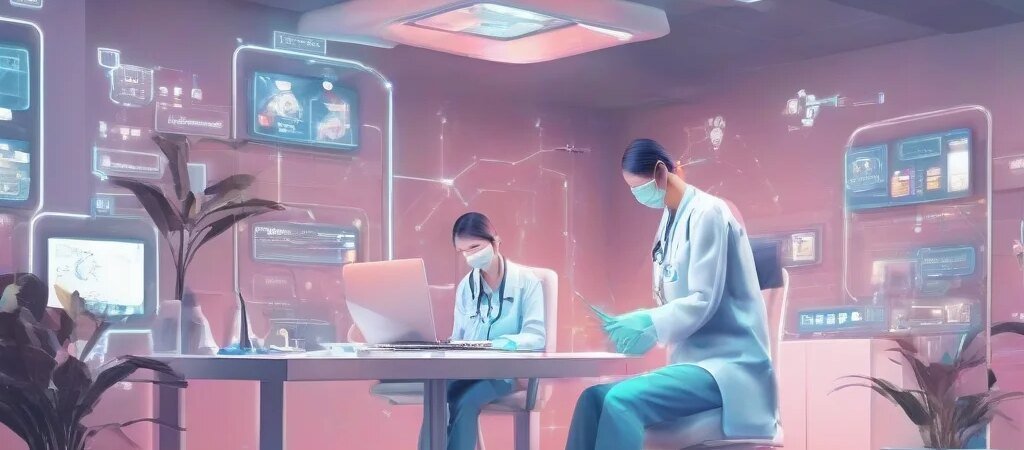
In the heart of China’s digital revolution stands Shenzhen—a city synonymous with technological innovation and forward-thinking design. Today, as healthcare becomes increasingly digitized, Shenzhen’s dynamic digital ecosystem is pioneering groundbreaking web design solutions that are reshaping how patients access, interact with, and trust online health platforms.
The Rise of Healthcare Web Design in Shenzhen
Shenzhen, home to tech giants like Tencent and a thriving startup scene, has evolved into a national leader in digital healthcare innovation. Web design in this context transcends aesthetics; it’s about creating intuitive, secure, and user-centered digital experiences that meet the unique needs of both medical professionals and patients. From AI-driven symptom checkers to telemedicine portals and electronic health record (EHR) systems, Shenzhen’s web designers are leveraging cutting-edge technologies to build healthcare platforms that are not just functional but empathetic.
One notable trend is the integration of AI and machine learning into healthcare web interfaces. For instance, some Shenzhen-based startups are embedding intelligent chatbots that can triage symptoms or schedule appointments, providing immediate support while reducing the burden on healthcare providers. These solutions not only enhance user experience but also improve operational efficiency—something crucial in a high-demand environment like Shenzhen’s healthcare system.
User-Centered Design: Empathy in Every Pixel
What sets Shenzhen’s healthcare web design apart is its focus on accessibility and inclusivity. Designers are adopting a human-centered approach, ensuring that platforms cater to diverse user demographics—elderly patients, non-native speakers, and those with varying levels of tech literacy. This includes intuitive navigation, multilingual support, and responsive interfaces that work seamlessly across devices.
Moreover, Shenzhen’s regulatory environment supports innovation while safeguarding user privacy. Web designers are integrating robust security measures—like end-to-end encryption and GDPR-like compliance—to build trust in an era where data breaches are a growing concern.
Telemedicine: A Gateway to the Future
Telemedicine has exploded in Shenzhen, especially post-pandemic. Web designers are crafting seamless telehealth platforms that integrate video consultations, prescription management, and remote monitoring. These platforms not only provide convenience but also reduce the strain on physical healthcare infrastructure.
For example, some clinics now offer AI-powered follow-up systems that track patient recovery post-consultation, sending reminders and adjusting treatment plans based on real-time data. This proactive approach to healthcare is made possible through web applications that blend design with data analytics.
Sustainability and Scalability: The Digital Imperative
Shenzhen’s healthcare web design solutions also embrace sustainability. Cloud-based systems ensure scalability, allowing healthcare providers to scale services without compromising performance. Additionally, designers are leveraging big data to personalize user experiences—offering tailored health recommendations based on user behavior and medical history.
Challenges and the Road Ahead
Despite rapid progress, challenges remain. Balancing innovation with regulatory compliance, ensuring equitable access, and addressing cybersecurity threats are ongoing priorities. However, Shenzhen’s collaborative ecosystem—where startups, hospitals, and government bodies work together—ensures that healthcare web design continues to evolve.
In conclusion, Shenzhen’s digital landscape is a beacon for global healthcare innovation. By merging cutting-edge technology with human-centered design, the city is not just building websites—but crafting digital health ecosystems that empower patients and providers alike. As the world looks to Shenzhen for future-ready healthcare solutions, one thing is clear: the future of health is digital, and Shenzhen is at the forefront.