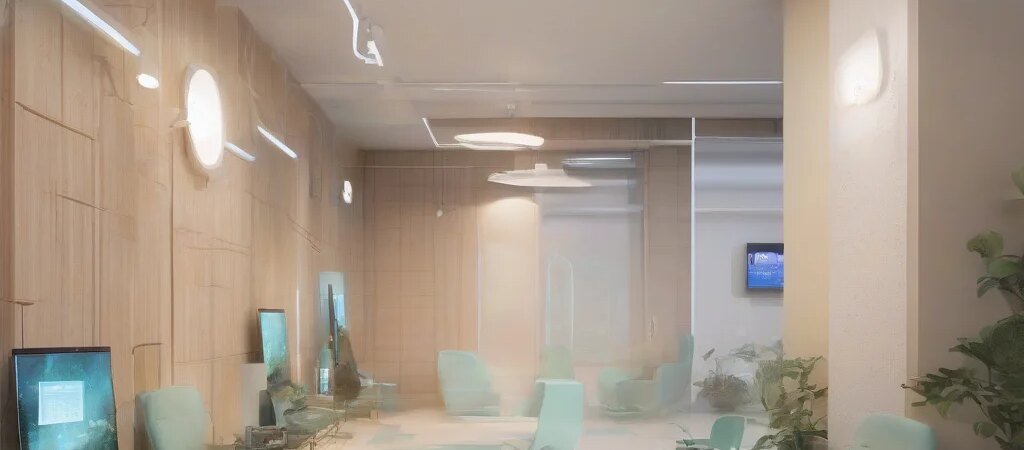
Healing Digital Spaces: Innovative Healthcare Web Design for Zunyi
By [Your Name], UX/UI & Digital Health Consultant
May 2026
1️⃣ Why Zunyi Needs a New Kind of Healthcare Website
Zunyi, a bustling hub in Guizhou Province, has seen rapid growth in hospitals, community clinics, and tele‑medicine startups. Yet most of the digital front‑doors that patients use are still built on legacy layouts:
| Typical pain point | What patients experience | Business cost |
|---|---|---|
| Poor mobile responsiveness | “The site looks broken on my phone” | Missed appointments & low online bookings |
| Deeply nested menus | “I can’t find the COVID‑19 testing info” | Long call‑center wait times |
| No multilingual support | “Only Mandarin, I’m a Tibetan speaker” | Excludes ethnic minorities |
| Static PDFs for records | “I have to download, print, scan again” | Inefficient workflows, data entry errors |
| Lack of trust signals | “Is this a legit hospital?” | Low conversion, fewer online consults |
For a city that aspires to be a regional health innovation leader, the web experience must match the ambition of its physical hospitals. That’s where Healing Digital Spaces comes in – a design framework that treats the website itself as a “care environment” rather than just an information portal.
2️⃣ Core Principles of Healing Digital Spaces
| Principle | What it means for Zunyi’s health sites | Quick win |
|---|---|---|
| Human‑Centered Empathy | Personas built around local health journeys (e.g., rural elder seeking maternal care, migrant worker needing occupational health). | Conduct brief 15‑minute shadowing sessions in three community clinics. |
| Accessibility as Health Literacy | WCAG 2.2 AA compliance + culturally relevant icons (e.g., Chinese‑style “pulse” for vital signs). | Add ARIA labels and high‑contrast switch on the homepage. |
| Information Hygiene | Clean hierarchy, real‑time data freshness, “trust badges” (hospital accreditation, government health‑code). | Embed a live API that pulls the latest vaccine inventory. |
| Seamless Continuity of Care | One‑click transitions from info to appointment → tele‑consult → e‑prescription → pharmacy pickup. | Implement a universal “Book‑Now” button that syncs with the hospital’s HIS (Health Information System). |
| Localized Rhythm | Mandarin, Southwestern Mandarin, Tibetan, and even local dialect audio snippets for navigation. | Add a language toggle with auto‑detect via IP. |
| Data‑Driven Healing | Use analytics to identify drop‑off points and redesign them quickly (A/B, heat‑maps, AI‑driven session replay). | Deploy a lightweight session‑recording tool for the appointment flow. |
These principles are interlocking, not a checklist. A site that checks “mobile‑friendly” but fails on accessibility still harms patients. The goal is to heal the digital experience so that the website itself reduces anxiety, improves health literacy, and accelerates the care pathway.
3️⃣ Designing the Healing Flow: From First Click to Follow‑Up
Below is a step‑by‑step user journey illustrating how the design ethos translates into concrete UI/UX patterns for a typical Zunyi hospital website.
-
Landing on the Home Page
- Hero carousel with real patients (photos, short video clips) speaking in their native dialects, instantly building trust.
- A prominent “Find Care Fast” button that opens a modal with three tabs: Outpatient, Emergency, Tele‑Health.
-
Smart Triage Bot (AI‑Assist)
- Natural‑language chatbot that asks symptom‑based questions in plain language.
- Returns three personalized pathways: “Book a same‑day visit”, “Tele‑consult now”, or “Self‑care & local pharmacy”.
- Bot is fully WCAG‑compliant – keyboard operable, screen‑reader friendly, with voice input for seniors.
-
Appointment Scheduling
- Calendar UI shows real‑time slot availability across all campuses.
- One‑tap ‘Add to WeChat/Alipay Calendar’ (critical in China) + SMS/WeChat reminders.
- Integration with the hospital’s HIS via FHIR (Fast Healthcare Interoperability Resources) so no duplicate data entry.
-
Pre‑Visit Preparation
- Dynamically generated checklist (fasting, documents, insurance) with visual icons.
- Option to download a QR code that the clinic scans on arrival – reduces paperwork.
-
Virtual Waiting Room
- If the patient chooses tele‑consult, a secure video room loads with a calming “green garden” background (culturally resonant).
- Real‑time translation toggle for Tibetan or local dialects.
-
Post‑Visit Follow‑Up
- After consult, the system pushes an e‑prescription to the patient’s digital wallet (WeChat Pay, Alipay).
- Automated recovery‑care plan with illustrated exercises and a “Ask a Nurse” chat button.
-
Community & Education Hub
- A knowledge base organized by disease, age group, and locality.
- Content delivered as short videos, infographics, and audio clips – suitable for low‑literacy users.
The entire flow is single‑page‑application (SPA) friendly, meaning the patient never experiences a full page reload that could cause confusion or loss of data.
4️⃣ Technical Blueprint for Zunyi’s Healthcare Sites
| Layer | Recommended Tech | Why it fits Zunyi |
|---|---|---|
| Front‑End | React 18 + Vite, styled‑components, TailwindCSS for rapid theming | Modern, component‑based, easy to localize |
| Design System | Zunyi Health Design Kit (components: Card, Avatar, Badge, Calendar) built on Storybook | Guarantees visual consistency across hospitals |
| Accessibility Layer | Axe‑core, Reach UI, react‑aria | Guarantees WCAG compliance out of the box |
| State & Data | Redux Toolkit + RTK Query for caching FHIR resources | Handles real‑time appointment data without over‑fetching |
| API Gateway | Node.js (NestJS) + GraphQL façade over existing SOAP‑based HIS | Smooth migration, reduces coupling |
| Security | OAuth 2.0 + OpenID Connect via Tencent Cloud IAM, AES‑256 encryption for PHI, WAF | Meets Chinese cyber‑security regulations and GDPR‑like standards |
| Analytics | Matomo (self‑hosted) + heat‑map plugin | Privacy‑first insights, no data leakage to foreign servers |
| CI/CD | GitHub Actions + Docker + Kubernetes (Tencent Cloud TKE) | Auto‑scalable for peak pandemic spikes |
| Offline Support | Service Workers + IndexedDB caching for progressive web app (PWA) functionality | Allows patients in low‑bandwidth rural areas to browse appointments offline |
Tip for Project Managers: Start with a pilot for one department (e.g., Maternal & Child Health). Deploy the design system and API gateway there, gather data for 3 months, then scale hospital‑wide.
5️⃣ Measuring “Healing” – KPIs That Matter
| KPI | Target (6‑Month Horizon) | How it reflects a healthier digital space |
|---|---|---|
| Task Success Rate (finding a doctor & booking) | > 92 % | Less friction → lower anxiety |
| Average Booking Time | < 45 seconds | Faster access, fewer drop‑offs |
| Mobile‑First Conversion | + 30 % vs baseline | Reaches younger & migrant users |
| Accessibility Score (aXe) | 95 / 100 | Inclusive care for all abilities |
| Patient Satisfaction (NPS) on digital experience | + 15 points | Trust translates to loyalty |
| Reduced Call‑Center Volume | - 25 % | Staff can focus on clinical care |
| Repeat Tele‑Consult Rate | > 40 % | Continuity of care & chronic disease management |
Dashboards built in Grafana (connected to Matomo + backend logs) give hospital administrators a real‑time view of these metrics.
6️⃣ Cultural & Local Nuances for Zunyi
- Community Symbols – The design subtly incorporates Zunyi’s famous Red Rock silhouette and the Moutai color palette, fostering local pride.
- Festival‑Aware Messaging – During the Dragon Boat Festival and Mid‑Autumn, health tips are delivered with relevant imagery and holiday‑specific service hours.
- WeChat Integration – Almost every Chinese user lives in WeChat; the site offers mini‑program shortcuts for appointment booking, QR‑code health passes, and medication reminders.
- Rural Connectivity – Asset sizes are optimized for 2G/3G; critical pages (< 200 KB) load within 2 seconds even on low‑end smartphones.
- Elderly Trust Signals – Large, rounded buttons, “Call a Nurse” hotline, and a visible medical director’s portrait with credentials displayed prominently.
7️⃣ Roadmap: From Concept to Full‑Scale Deployment
| Phase | Duration | Key Deliverables |
|---|---|---|
| Discovery & Research | 4 weeks | Persona map (5 core groups), journey maps, technical audit of existing HIS |
| Design System & Prototyping | 6 weeks | UI kit in Figma, interactive prototype (click‑through) for pilot department |
| Backend Integration | 8 weeks | FHIR‑wrapped API layer, secure OAuth portal, data‑migration plan |
| Pilot Build & Test | 4 weeks | SPA pilot (booking & tele‑consult) + usability testing with 30 patients |
| Iterate + Accessibility Pass | 3 weeks | WCAG audit, performance optimization, localized content review |
| Full Roll‑Out | 8 weeks | Deploy across all hospital campuses, train staff on CMS (Contentful/Strapi) |
| Post‑Launch Optimization | Ongoing | KPI dashboard, quarterly A/B tests, community feedback loops |
Budget Hint: By re‑using the same design system and API gateway, each additional hospital adds ~30 % incremental cost rather than starting from scratch.
8️⃣ Closing Thought – The Website as a Healing Partner
In Zunyi, where mountains meet modernity, the digital front door to healthcare should feel as reassuring as a familiar neighborhood clinic. By embedding empathy, accessibility, and seamless care pathways into the very code and visual language of the site, designers and developers become healers of the digital landscape.
When a patient in a remote village clicks “Book an appointment” and instantly sees a friendly video of a doctor speaking their dialect, the website has already delivered part of the cure: reduced anxiety, improved health literacy, and faster access to care. That is the true power of Innovative Healthcare Web Design—it transforms pixels into a trustworthy companion on the road to wellness, not just for Zunyi, but for any community that dares to imagine a healthier digital future.
Ready to bring this vision to life?
Reach out at hello@digitalhealthzunyi.com or scan the QR‑code below to schedule a no‑cost design workshop.
(Insert QR‑code linking to a Calendly/WeChat mini‑program)
References & Further Reading
- World Health Organization – Digital Health Interventions (2024)
- China National Health Commission – Guidelines for Online Medical Services (2023)
- Google Material Design – Accessibility & Motion Guidelines (2022)
- FHIR Specification – R4 Release (2023)
Author’s note: This article blends UX best practices, local cultural insight, and Chinese regulatory context to give a practical blueprint for anyone tasked with revitalizing healthcare web experiences in Zunyi.