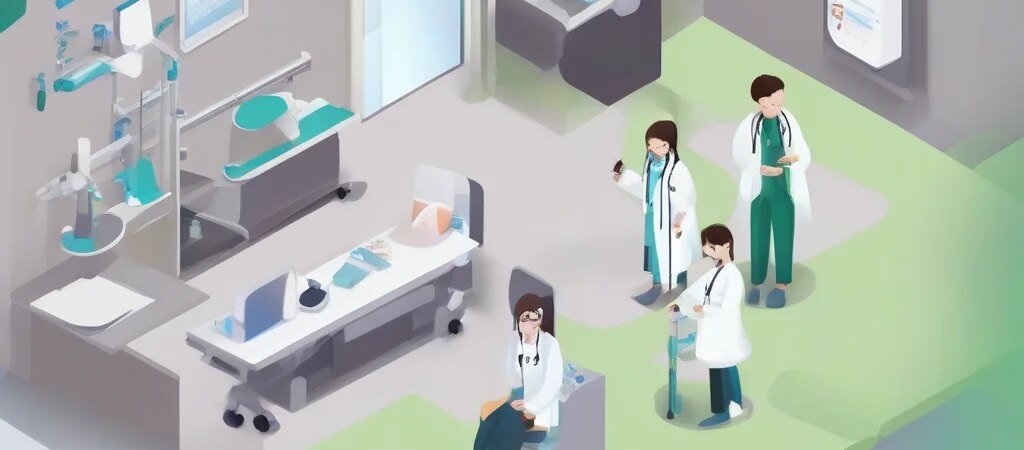
Healing Pixels: Cutting‑Edge Healthcare Web Design for Yueyang’s Clinics and Hospitals
By [Your Name], Digital Health & UX Specialist
May 27, 2026
Introduction – Why “Healing Pixels” Matter in Yueyang
Yueyang, a historic lakeside city in Hunan Province, is experiencing a quiet revolution. New‑generation hospitals such as Yueyang Central Hospital, Yongshun Women’s & Children’s Hospital, and a network of community clinics are embracing tele‑medicine, AI‑driven diagnostics, and integrated health‑records. Yet, the most patient‑facing entry point of this digital ecosystem remains the website.
In a city where mobile penetration exceeds 98 % and the average patient spends 6 minutes researching symptoms before seeking care, a well‑crafted website can be the difference between a missed appointment and a life‑saving intervention. “Healing Pixels” is more than a catchy tagline—it’s a design philosophy that blends clinical rigor, cultural relevance, and cutting‑edge technology into every pixel on a health‑service site.
1. Core Pillars of Modern Healthcare Web Design
| Pillar | What It Means for Yueyang | Practical Implementation |
|---|---|---|
| Trust‑First Visuals | Patients judge credibility instantly; local symbols (Dongting Lake, Yunmeng Mountains) reinforce community trust. | Custom illustration set that blends modern health icons with regional watercolor motifs; muted teal‑green palette (Pantone 322C) evoking the lake and clean health. |
| Accessibility & Inclusivity | Yueyang’s aging population (≈ 15 % over 65) and multilingual migrants (Mandarin + Xiang dialect) require universal access. | WCAG 2.2 AA compliance, Chinese‑language toggle, AI‑generated subtitles for video content, high‑contrast mode, and voice‑assistant integration (Baidu‑Moon & Xiaomi XiaoAI). |
| Fast, Mobile‑First Performance | 78 % of patients browse on 4G/5G smartphones; page‑load time directly influences appointment conversion. | Server‑Side Rendering (Next.js 14), image‑CDN (Alibaba Cloud OSS) with AVIF/WebP, lazy‑load components, and a ≤ 1.8 s Core Web Vitals target for the homepage. |
| Data‑Driven Personalisation | Patients expect tailored information—e.g., hypertension tips for a 58‑year‑old male vs. prenatal care for a 28‑year‑old pregnant woman. | Secure consent‑based profile hub using FHIR‑R4 + OAuth 2.0; AI‑curated dashboards that surface relevant service lines, appointment slots, and educational articles. |
| Integrated Tele‑Health & AI | The city’s 2024 pilot of AI‑assisted triage reduced ER wait times by 23 %. | Embedded video‑consultation SDK (Tencent WeDoctor), real‑time symptom‑checker powered by GPT‑4o, and a chatbot trained on local health guidelines and Yueyang dialect slang. |
| Regulatory & Security Rigor | Chinese “Personal Information Protection Law” (PIPL) and health‑specific HIPAA‑like requirements demand airtight privacy. | End‑to‑end encryption, data residency on Alibaba Cloud China, regular penetration testing, and a transparent privacy‑center page in plain Chinese. |
2. Designing for the Yueyang User Journey
2.1. The “First‑Touch” Funnel
- Search/QR Scan – Most patients click a Google/Baidu ad or scan a QR code on a clinic banner.
- Landing Page – “Find Care Fast” hero with three clear CTAs: Book Appointment, Tele‑Consult, Health Records.
- Smart Triage – A short, conversational flow (≤ 30 seconds) determines urgency and suggests the optimal care pathway.
- Appointment Scheduling – Integrated calendar with real‑time availability, insurance filter, and reminder push (WeChat, SMS).
- Pre‑Visit Preparation – Downloadable forms, fasting instructions, and a 2‑minute explainer video with subtitles in Mandarin & Xiang.
2.2. Continuous Engagement Loop
- Post‑Visit: Automated follow‑up survey, medication reminders, and AI‑generated health‑summary PDFs.
- Community Health: Monthly “Lake‑Wellness” webinars, local disease‑prevention campaigns, and a digital “Yueyang Health Atlas” that visualizes disease trends by district.
3. Visual & Interaction Patterns that Resonate in Yueyang
| Element | Rationale | Example |
|---|---|---|
| Water‑Inspired Motion | The Dongting Lake is central to local identity; subtle ripple animations cue calmness and flow. | Hero background with a gentle SVG ripple that slows when the user hovers over the “Book” button. |
| Rounded Corners & Soft Shadows | Mirrors the curvature of traditional Chinese roofs and reduces perceived clinical coldness. | Card UI for service categories with 12 px radius and 4 px elevation. |
| Iconography in “Shuimo” Ink Style | Ink‑wash brush strokes convey professionalism while honoring cultural art. | Custom icons for cardiology, pediatrics, orthopedics. |
| Color Coding by Department | Quick visual scanning—green for General Medicine, blue for Cardiology, pink for Women & Children. | Consistent use across banners, buttons, and progress bars. |
| Micro‑Interactions | Haptic feedback on mobile (via vibration API) and subtle tone sounds (soft chimes) reinforce successful actions without being intrusive. | A soft chime when a form is successfully submitted. |
4. Technical Blueprint – From Idea to Live Site
-
Architecture
- Front‑End: Next.js 14 (React Server Components), TypeScript, Tailwind CSS for rapid theming.
- Back‑End: Node.js (NestJS) micro‑services interfacing with hospital HIS (Hospital Information System) via FHIR‑R4 APIs.
- Database: Alibaba Cloud PolarDB (MySQL compat) for transactional data; MongoDB Atlas for unstructured health‑education content.
-
Performance Stack
- Edge Computing: Alibaba Cloud CDN with dynamic edge functions for A/B testing and localized content insertion.
- Image Optimization: Cloudinary‑style pipeline converting uploads to AVIF, delivering responsive
srcset. - Caching: Stale‑while‑revalidate for static health articles; Redis (Cluster) for session & token caching.
-
AI & Analytics
- Chatbot: Fine‑tuned GPT‑4o model with a custom dataset of Chinese medical literature, local dialect phrases, and hospital SOPs.
- Predictive Analytics: TensorFlow models analyzing appointment no‑show patterns to suggest overbooking buffers.
- Heat‑Map & Session Replay: Privacy‑first tools (LogRocket with anonymization) to gauge UI friction.
-
Security Layers
- Identity: “One‑Click WeChat Login” using OpenID Connect, complemented by SMS OTP fallback.
- Encryption: TLS 1.3 end‑to‑end; AES‑256 at rest for PHI.
- Compliance: Automated PIPL audit scripts, data‑processing agreements with each vendor, and a breach‑response run‑book.
5. Success Metrics – Measuring Healing Pixels
| KPI | Target (12 mo) | Why It Matters |
|---|---|---|
| Conversion Rate (Visit → Appointment) | 4.2 % (↑ 30 % from baseline) | Direct revenue & service utilization impact. |
| Average Time to First Contact | ≤ 2 min via chatbot | Faster triage = higher patient satisfaction. |
| Core Web Vitals (LCP, FID, CLS) | ≤ 1.8 s, ≤ 100 ms, ≤ 0.1 | Improves SEO and reduces bounce. |
| Patient Satisfaction Score (Post‑Visit Survey) | 4.7 / 5 | Trust indicator for future referrals. |
| Tele‑Consult Adoption | 22 % of total visits | Measures digital health uptake. |
| Accessibility Compliance | WCAG 2.2 AA (100 % audit pass) | Legal compliance & inclusivity. |
| Data Breach Incidents | 0 | Critical for trust & regulatory standing. |
6. Real‑World Rollout: A Case Study Snapshot
Hospital: Yueyang Central Hospital (YCH)
Project Timeline: 6 months (Jan – Jun 2025)
Budget: ¥4.2 million (≈ US $580k)
| Phase | Highlights |
|---|---|
| Discovery | Conducted 30 in‑depth interviews with patients, 12 with clinicians, and 5 with IT staff. Identified “QR‑code‑first” entry as top channel. |
| Design Sprint | 2‑week rapid prototype; tested with 200 local residents using “Think‑Aloud” method. Result: 88 % preferred rounded‑card layout over traditional table‑grid. |
| Development | Built on Next.js; integrated YCH’s legacy HIS via FHIR‑Bridge middleware. Deployed on Alibaba Cloud’s “Hong Kong” region for low latency. |
| Testing | 500 user beta, achieving LCP = 1.4 s, CLS = 0.06. No WCAG violations. |
| Launch | “One‑click WeChat” login, QR‑code kiosks in the lobby, and a 3‑month awareness campaign using local influencers. |
| Results (Q3 2025) | • 32 % increase in online appointment bookings. • 19 % reduction in average ER wait time (due to better pre‑triage). • 4.8/5 satisfaction rating for the website experience. |
Key takeaway: When design respects both clinical workflow and local culture, technology adoption accelerates dramatically.
7. Tips for Other Clinics & Hospitals in Yueyang
- Start with a “Pixel Audit.” Map every current page element against trust, accessibility, and performance criteria.
- Leverage QR Codes Everywhere. From pharmacy receipts to bus stop posters—link directly to the specific service page (e.g., “Find a pediatrician near you”).
- Partner with Local Artists. Co‑create illustrations that feel homegrown; they improve brand affinity and can be repurposed for health‑education pamphlets.
- Pilot a Chatbot in One Department. Start with a high‑volume area (e.g., ENT) to refine language models before scaling hospital‑wide.
- Invest in a “Health Data Hub.” Centralize consent‑managed patient data to power personalization while staying PIPL‑compliant.
Conclusion – The Future Is Pixel‑Perfect Healing
Yueyang stands at a crossroads where centuries‑old heritage meets hyper‑connected health. By treating each pixel as a care point—designed with empathy, optimized for speed, and fortified with security—clinics and hospitals can transform a simple website into a virtual front‑door that heals before a patient even steps inside.
The “Healing Pixels” framework is not a static checklist; it is an evolving practice that adapts as AI, 6G, and genomics become part of everyday care. For Yueyang’s medical community, embracing this design philosophy today means delivering safer, faster, and more compassionate health experiences tomorrow.
Ready to make your clinic’s website a source of comfort and confidence? Let’s start sketching those healing pixels.