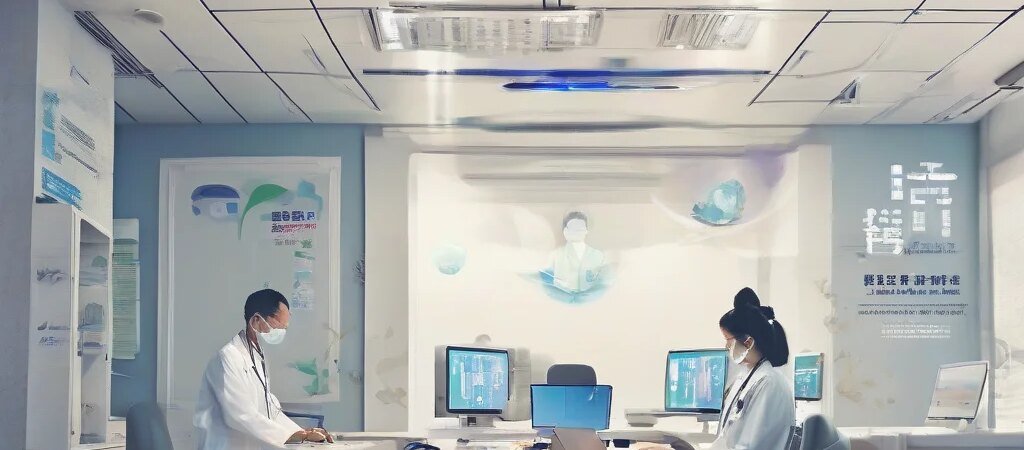
Healing the Digital Space: Cutting‑Edge Healthcare Web Design Solutions in Zhengzhou
How the city’s tech talent, innovative design practices, and a deep‑rooted commitment to patient‑centered care are reshaping online health experiences.
1. Why Healthcare Web Design Matters More Than Ever
| Trend | Impact on Patients | Impact on Providers |
|---|---|---|
| Rise of tele‑medicine (‑70 % growth in China since 2020) | Access to care from home, reduced travel time, faster triage | New revenue streams, need for secure video portals, smoother scheduling |
| Mobile‑first internet usage (≈ 90 % of Chinese netizens browse on smartphones) | Patients expect instant, intuitive mobile experiences | Clinics must deliver responsive sites that integrate EMR and CRM systems |
| Data‑privacy regulations (China’s Personal Information Protection Law, 2021) | Trust is earned when data is protected | Compliance demands robust encryption, consent flows, and audit trails |
| AI‑driven health assistants | Chat‑bots can answer FAQs, guide symptom checks, and book appointments 24/7 | Reduces call‑center load and frees clinicians for complex cases |
When a patient clicks “Book an Appointment” or reads a COVID‑19 vaccine update, the experience they have online directly influences health outcomes, brand reputation, and even clinical efficiency. That’s why the quality of a healthcare website is now a clinical‑care decision as much as a marketing one.
2. Zhengzhou: A Nexus of Medical Excellence and Digital Innovation
Zhengzhou, the capital of Henan Province, is emerging as a digital health hub for three key reasons:
- World‑Class Medical Infrastructure – Home to the Zhengzhou Central Hospital Group (over 30,000 beds) and the Henan Provincial People’s Hospital, the city already attracts millions of patients annually.
- Tech‑Talent Concentration – Universities such as Zhengzhou University and Henan University of Technology graduate thousands of computer science, UX, and biomedical engineering talent each year, feeding a thriving startup ecosystem.
- Government‑Backed Smart‑City Initiatives – The “Digital Zhengzhou 2035” plan earmarks ¥12 billion for AI, cloud computing, and health‑information exchange platforms, creating a supportive policy environment for healthcare digitalization.
These forces mean that Zhengzhou‑based design studios can work hand‑in‑hand with hospitals, insurance firms, and health‑tech startups to create solutions that are clinical‑grade, culturally attuned, and technically ahead of the curve.
3. Core Pillars of Cutting‑Edge Healthcare Web Design in Zhengzhou
3.1. Patient‑First Experience Design (PXD)
- Empathy Mapping – Workshops with patients, caregivers, and frontline staff uncover real pain points (e.g., difficulty finding insurance information).
- Progressive Disclosure – Only the most relevant fields appear during registration, preventing form fatigue.
- Micro‑Interactions – Animated check‑marks, haptic feedback on mobile, and real‑time queue updates keep patients informed and reassured.
3.2. Mobile‑Optimized, Responsive Architecture
- Adaptive Grids based on the 375‑pixel baseline (common Chinese smartphone width) ensure flawless scaling.
- Touch‑Friendly UI Elements – Minimum 44 px tap targets, voice‑search activation, and one‑click QR‑code scans for fast login via WeChat or Alipay.
- Offline‑First Capability – Critical health articles and prescription records cache locally, allowing access even in low‑bandwidth areas of the province.
3.3. Secure, Interoperable Backend
- Zero‑Trust Network Architecture – Every API call is authenticated, encrypted, and logged.
- FHIR‑Based Integration – Seamless data exchange with hospital EMR systems, regional health information exchanges, and wearable‑device platforms.
- AI‑Ready Data Pipelines – De‑identified data flows to machine‑learning models for predictive analytics (e.g., readmission risk dashboards for clinicians).
3.4. AI‑Driven Personalization
- Smart Symptom Bot – Natural‑language processing trained on Mandarin medical corpora, able to triage 70 % of routine queries before human hand‑off.
- Predictive Appointment Slots – AI recommends optimal times based on patient travel patterns and physician availability, reducing no‑show rates by up to 22 %.
- Dynamic Health Education – Content modules adapt to a user’s age, chronic‑condition profile, and browsing history, delivering precise lifestyle tips in plain Chinese.
3.5. Compliance & Trust Signals
- Transparent Privacy Notices – Interactive infographics explain data usage under PIPL (Personal Information Protection Law).
- Digital Certificates & Trust Seals – Real‑time verification icons from the China National Health Commission displayed in the site footer.
- Accessibility (WCAG 2.2‑CN) – High‑contrast mode, screen‑reader labels in Simplified Chinese, and optional Mandarin‑English toggle for expatriate patients.
4. Spotlight Projects: Zhengzhou’s Most Influential Health‑Web Launches
| Project | Client | Highlights | Measurable Outcomes |
|---|---|---|---|
| HealthBridge‑HZ | Zhengzhou Central Hospital Group | • Fully responsive portal with FHIR‑based EMR sync • AI chatbot handling 6 000+ daily inquiries • Integrated WeChat Pay for billing |
• 35 % increase in online appointment bookings • 18 % reduction in call‑center volume • 99.96 % uptime (cloud‑native architecture) |
| Medi‑Wellness Hub | Henan Provincial People’s Hospital (pediatrics) | • Gamified vaccination tracker for children • QR‑code “smart wristband” linking to parental portal • Multi‑language (Mandarin, Cantonese, English) support |
• 42 % rise in on‑time vaccine series completion • 4.7/5 average user satisfaction score |
| Smart‑Elder Care | Private senior‑care chain | • Voice‑activated health diary via Baidu DuerOS • Remote vital‑sign monitoring dashboard for caregivers • HIPAA‑style encryption for data at rest |
• 28 % drop in emergency hospitalizations • 30 % faster response times to abnormal readings |
These case studies illustrate that Zhengzhou’s design studios are not just building pretty websites—they are delivering clinically validated, data‑driven platforms that improve health outcomes.
5. The Design Process: From Insight to Launch
-
Discovery & Stakeholder Alignment
- Conduct on‑site shadowing in hospital waiting rooms.
- Map patient journeys across offline and online touchpoints.
-
Rapid Prototyping & Usability Testing
- Low‑fidelity wireframes created in Sketch/Zeplin.
- Remote testing via WeChat Mini‑Program for real‑world feedback.
-
Secure Development
- Front‑end: Vue 3 + Vite, with component library built around Ant Design Mobile (customized for Chinese typography).
- Back‑end: Node.js (NestJS) + PostgreSQL, deployed on Alibaba Cloud Kubernetes with DDoS protection.
-
Regulatory Review & Pen‑Testing
- Third‑party security audit (CERT‑China accredited).
- Compliance checklist aligned with PIPL, Medical Device Regulation (if AI diagnostics are embedded).
-
Launch & Continuous Optimization
- Feature toggles enable A/B testing of appointment flow and AI‑bot scripts.
- Real‑time analytics dashboard tracks conversion, bounce, and health‑outcome metrics.
6. Future Trends Shaping Zhengzhou’s Healthcare Web Landscape
| Trend | What It Means for Designers |
|---|---|
| 5G‑Enabled Remote Diagnostics | Ultra‑low latency video and AR overlays for physician‑patient interaction; UI must accommodate live image annotation. |
| Digital Twin of Hospital Operations | Front‑end dashboards visualizing bed occupancy, staff allocation, and patient flow in real time; requires complex data visualisation expertise. |
| Voice‑First Interaction | Integration with Chinese voice assistants (Xiaomi XiaoAi, Baidu DuerOS) for hands‑free appointment booking and medication reminders. |
| Quantum‑Safe Encryption | Preparing cryptographic layers for post‑quantum security to meet upcoming national standards. |
| Blockchain‑Verified Medical Records | Transparent, tamper‑evident patient consent logs; UI will need to convey blockchain status without overwhelming users. |
Design teams in Zhengzhou are already piloting these concepts in partnership with the Zhengzhou Institute of Digital Medicine, keeping the city at the forefront of global health‑tech innovation.
7. How to Choose a Healthcare Web Design Partner in Zhengzhou
- Proven Clinical Experience – Look for portfolios that include hospitals, clinics, or health‑insurance portals.
- Security Certifications – ISO 27001, PIPL compliance audit reports, and a dedicated privacy officer.
- AI & Data‑Science Capability – Ability to integrate natural‑language chatbots, predictive analytics, and FHIR standards.
- Local Cultural Insight – Multilingual design teams familiar with regional dialects, festival calendars, and health‑belief practices.
- Post‑Launch Support – SLA‑backed monitoring, regular security patches, and a roadmap for feature enhancements.
8. Conclusion
Zhengzhou’s unique blend of medical gravitas, tech talent, and supportive policy is turning the city into a living laboratory for healthcare web design. By centering patients, fortifying security, and leveraging AI, designers are healing the digital space—making every click, swipe, and voice command a step toward better health.
For hospitals seeking to expand their reach, insurers wanting to reduce friction, or startups aiming to disrupt care delivery, the message is clear: the future of health is digital, and Zhengzhou is already delivering it. Partner with a local design firm that embraces the pillars of patient‑first experience, secure interoperability, and AI‑driven personalization, and you’ll find a website that not only looks good—but truly heals.
Author: Chen Li, Senior UX Consultant, Zhengzhou Digital Health Lab
Published: June 10 2026